This 9 February 2024 the Indonesian Bible Society turns 70 years old. It's a journey worth celebrating and being thankful for because it has not been easy. All have been made possible through His guidance and grace. Ahead of LAI's birthday celebration, there are at least three things that we can be grateful for and reflect upon as we move forward. A future in which many things and dynamics are likely to happen.
First, the presence of LAI continues the ministry of the predecessors, which was started by Albert Cornelisz Ruyl, a merchant Verenigde Oostindische Compagnie (VOC), which translated the Gospel of Matthew into Malay published in 1629. As the work of an “amateur” there are of course many errors here and there. Nevertheless, it is recognised as the first translation of a biblical passage in a non-European language.
After Ruyl, there were many other Bible translations, either on behalf of churches, mission agencies or commissioned by Bible societies. Among them, in 1668, the New Testament by Rev Daniel Brouwerius was published. In 1733, the complete Malay Bible was translated by Rev Dr Melchior Leijdecker at the request of the Batavia Church Council and sponsored by the VOC. In 1879, the Malay Bible in Latin letters translated by Mennonite Church missionary H.C. Klinkert published by the Dutch Bible Society (Nederlansch Bijbelgenootchap, NBG). In 1938 the Old Testament was published by Bode who worked on commission from the Translation Commission of the Netherlands Bible Society (NBG) to produce a Malay Unity translation. The Old Testament was never completed by Bode because he died when his ship was bombed in the waters off Nias.
.
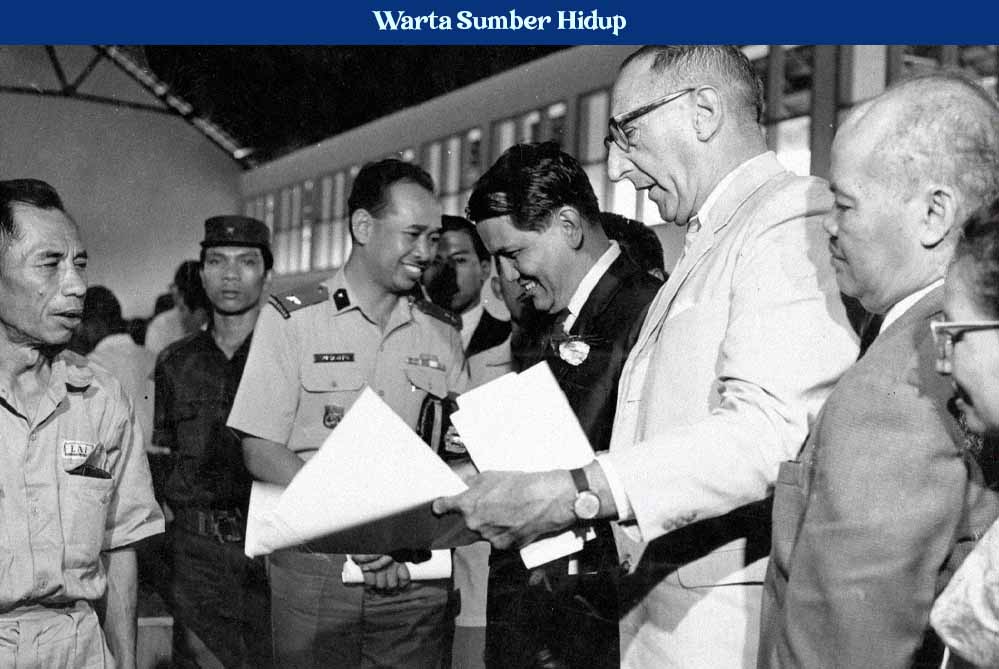
Second, on Tuesday, 9 February 1954 LAI was officially established with the signing of the deed before notary Eliza Pondaag. However, the ministry itself had already begun in 1950, as recorded in the NBG report. The establishment of LAI is inseparable from the spirit of independence of the Indonesian nation after the independence of 17 August 1945. The founders of the LAI were national church leaders with an ecumenical spirit and encouraged the independence of a Scripture provider as part of the newly established state. Based on the records in the deed of establishment, from the beginning the founders of LAI had already established the cross-denominational and cross-confessional character of the institution.
.
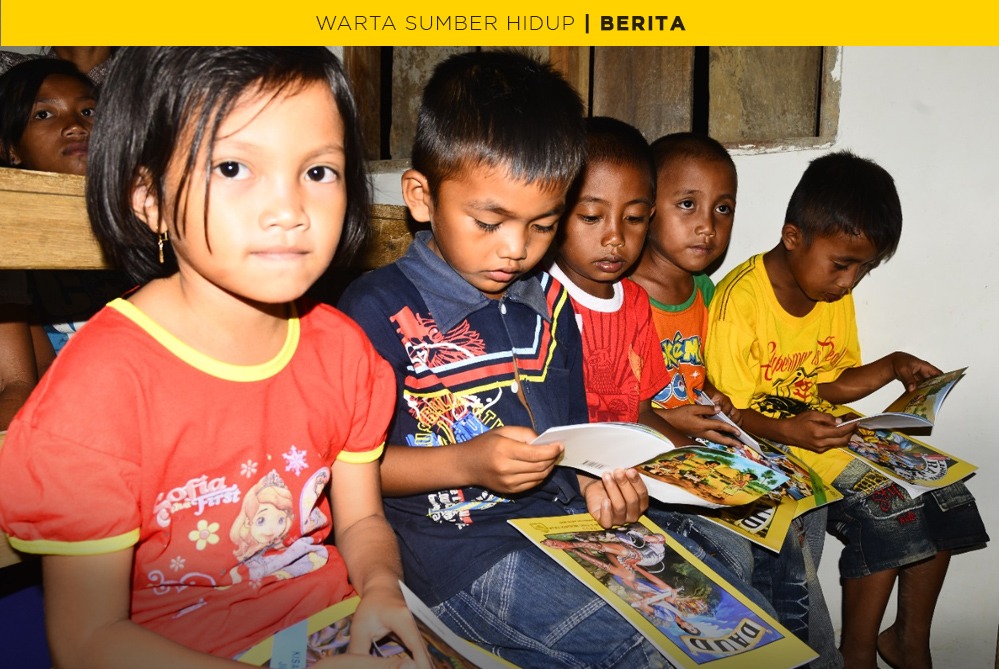
LAI is a partner of churches who together are mandated by God to bring the Bible and its portions in various languages and media to every corner of the country. As the "logistics agency" of the church, LAI serves the churches and partners with various ministries and Bible translation agencies both from within and outside the country to fulfil the very basic need for the word of God. We should be thankful that the vast majority of Indonesian churches representing various theological and ecclesiological traditions entrust the responsibility of translating and publishing the Bible and its parts to LAI.
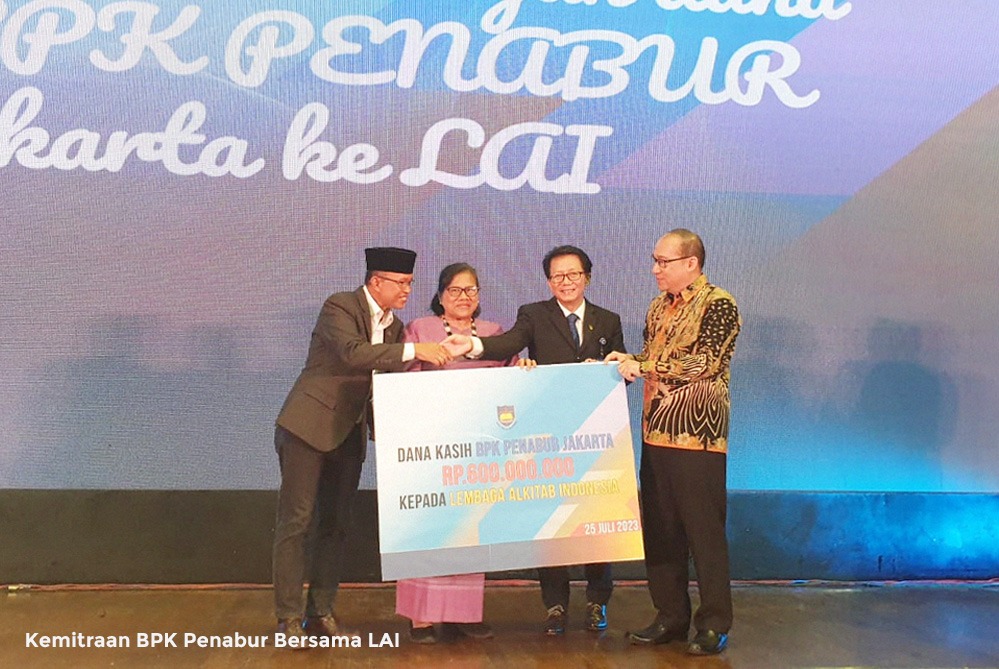
Third, the development and growth of the LAI cannot be separated from the support of the churches and ministry partners of the LAI, both at home and abroad. LAI always involves its partners in planning, implementation and evaluation, to realise the mission of translating, publishing, disseminating and striving for the Bible to be the guide of people's lives.
The three reflective notes above are directly related to LAI's services which are always linked to the spirit of Indonesian nationality and unity. The Bible in Indonesia not only fosters the faith of its readers, but in practice has also proven to symbolically unite the churches in Indonesia regardless of denomination and confession. Our unity is also the realisation of the third principle of Pancasila: Indonesian Unity. (ST 14.1.2024).