Bible Talk | Tri Harmadji, Ph.D.
The parable of the prodigal son in Luke 15:11-32 is often understood primarily as the story of the youngest son's conversion back to his father. He becomes a symbol of the sinner who repents, is restored, and celebrates the grace of God. A closer reading, however, shows that Jesus deliberately closes the story without finishing it, by showing the reaction of the firstborn who refuses to enter the feast. This raises the important question, "who exactly is the prodigal?
Two Forms of Loss: Rebellion and Legalism
This parable features two very different types of people who are in the same spiritual situation, both lost. The youngest son symbolises those who reject religion in favour of unlimited freedom. He feels the rules are shackling him, so he asks for his inheritance and goes far away to live life as he sees fit. But the freedom he thought would bring happiness ended in destruction and suffering.
In contrast, the firstborn represents those who live in strict religious observance. He faithfully works, serves his father, and obeys all the commandments. But all this obedience does not allow him to know his father's heart. He lived at home but missed out on true relationships. When the youngest returned and was celebrated, he refused to rejoice, because he understood the relationship with his father to be based on merit, not love. Thus, obedience to the rules blinded him from his father's true character.
The Journey of the Youngest: Enlightenment Through Suffering
The bulk of the narrative focuses on the youngest son's spiritual journey. After spending his fortune, he falls to the lowest point. In his suffering he has a new realisation: he remembers that in his father's house the labourers are well off, while he is dying. This realisation was not just a moral remorse, but a mystical experience of love that he had not understood. He returned not to claim rights, but to become a servant, realising that his father was a good master to his servants.
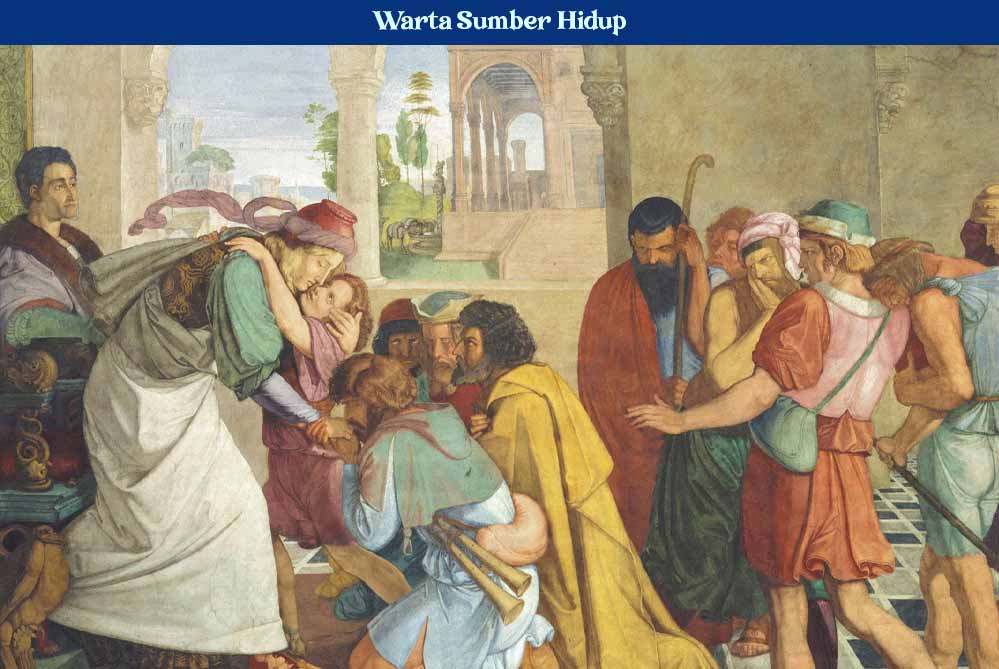
His father welcomed him with unconditional love. There were no judgements, no demands for explanations; just hugs, the best robe, a ring, and a feast of joy. The father became a picture of God who was willing to make room for freedom, forgive, and restore.
The Eldest's Misadventure: Gone Without Going
The theological culmination of this parable comes at the end of the story. The eldest son, who is always at home, is the furthest from his father's heart. He is angry and refuses to enter the feast because he feels that his justice has been violated. For him, the relationship with his father is based on work, merit and worthiness. Therefore he said: "I have served the Father for many years, and I have never broken the Father's commandment" (Luke 15:29).
His father replied with words that exposed the firstborn's misunderstanding, “All that I have is yours.” (Luke 15:31). This shows that the firstborn failed to understand his true identity as a son; he lived as a servant in his own house. He was physically near, but spiritually distant.
Religion versus Spirituality
The tension between these two figures reveals the fundamental difference between religion and spirituality. Religion without love can turn into a system of rules that demands, judges, and closes the door to the conversion of others. True spirituality, on the other hand, is born out of the personal experience of God's liberating and restoring love. This parable reminds us that both rebellion and legalism can cause people to lose their way and lose their true relationship with God.
In the stories of the Bible, the example of the youngest son is reflected in tax collectors and repentant sinners, such as Zacchaeus. Whereas the firstborn is reflected in the Pharisees, as well as in characters like Peter and Paul before experiencing enlightenment through an encounter with Jesus.
Who's Really Missing?
The answer to this parable is that both are missing. The younger son is lost outside the house; the elder son is lost inside the house. The younger son is lost in direction; the elder son is lost in love. Both need an encounter with the father's love. This parable is an invitation for everyone to return, both from rebellion and from legalism.
Jesus' message is very clear: God is not simply a demanding people through rules, but a loving Father. The goal of faith is not mechanical obedience, but a living relationship. This story therefore challenges every reader to ask:
Am I living like the youngest, free but empty?
Or like the firstborn, obedient but bereft of joy?
And most importantly, do I truly know the Father's heart?"
“May this story open the eyes of our hearts to true faith, a faith that celebrates restoration, for God is always waiting for every child to return home.” (Tri Harmadji, Ph.D.)