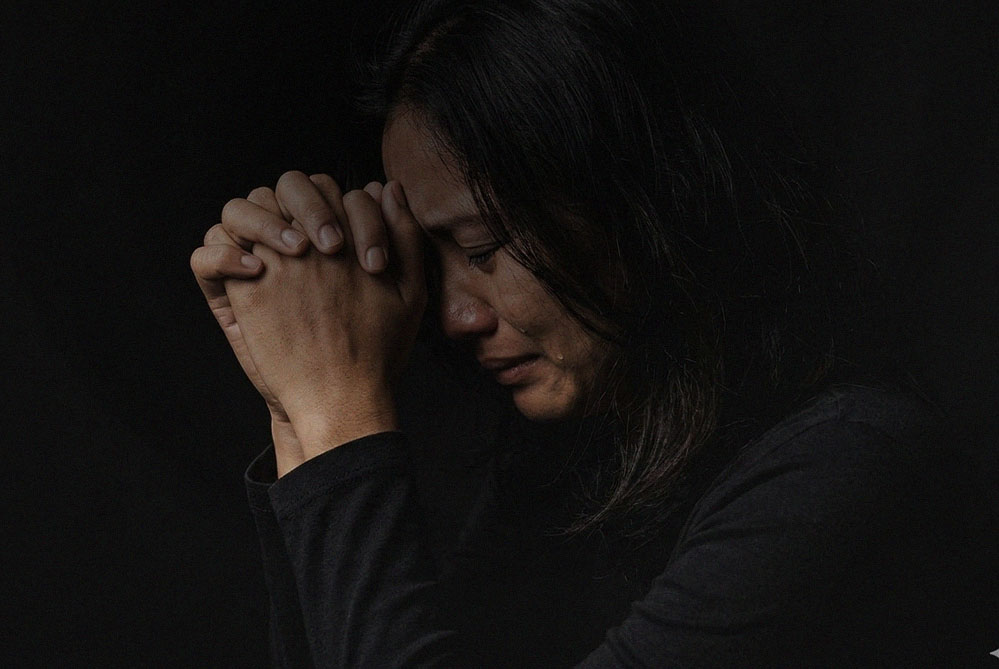
There are many wounds that are not always visible, but quietly shape the way we live. Wounds from fractured relationships, from hurtful words, from disappointments that have not been fully processed. Often, those wounds don't disappear, they just change shape. Sometimes it becomes anger, sometimes it becomes defensiveness, sometimes it even becomes an urge to overprotect ourselves. Without realising it, we go through life with a "sword" in hand: ready to attack, or at least defend.
In the midst of such a reality, the Book of Isaiah 2:1-5 presents a vision that is both contrasting and radical. The prophet Isaiah describes a time when the mountain of God's house will rise above the mountains and tower over the hills. All nations will flock to it. In the context of the ancient world, mountains were often understood as divine places, centres of encounter with the divine. But here, what is interesting is not just the location, but the movement of nations who come to learn. They did not come to conquer, but to be taught, seeking God's law as a basis for living together.
What Isaiah delivered was a bold vision. In a world of conflict between nations and expansion of power, including the threat of great empires like Assyria, Isaiah envisions a new order: not domination, but teaching; not warfare, but justice. God is portrayed as a just Judge, who judges the nations to restore order. And out of that just judgement comes peace: swords are forged into ploughshares, spears into pruning hooks. The tools that once wounded are now transformed into tools that give life. At this point, we see that peace is not just the absence of conflict, but a fundamental transformation. The same energy that was used to destroy is reprocessed. An attempt at sublimation, where the human ability to turn destructive impulses into something constructive. Wound, anger, even aggression, does not always have to be erased; it can be forged into inventiveness, empathy, and the power to build.
But this transformation doesn't just happen. Isaiah points out that the turning point is in one thing: coming to God to learn His ways. This is a recognition that man is not a sufficient source of truth for himself. There is a need for a higher orientation, a "light" that gives direction and meaning. Interestingly, this vision of the future does not stop as a utopia. Verse 5 closes with a very practical call: "Come, let us walk in the light of the Lord!". This means that the promised future becomes the basis for living in the present. The vision of the future gives people the strength to endure and change now. Here hope is not an escape, but a mobilising energy.
Friends of the Bible, there may be some of us who still hold the "sword" in our lives. Unhealed wounds, unfinished anger, ego for self-preservation. What do we do with it? Do we continue to use it to hurt others or ourselves? Or dare to bring it before God, to be re-forged into something life-giving? Turning wounds into works is not an easy process. It requires humility to learn, courage to face ourselves, and a willingness to walk in the light, not in the shadow of wounds. But therein lies the hope of faith: that God not only removes wounds, but is able to transform them into sources of life.