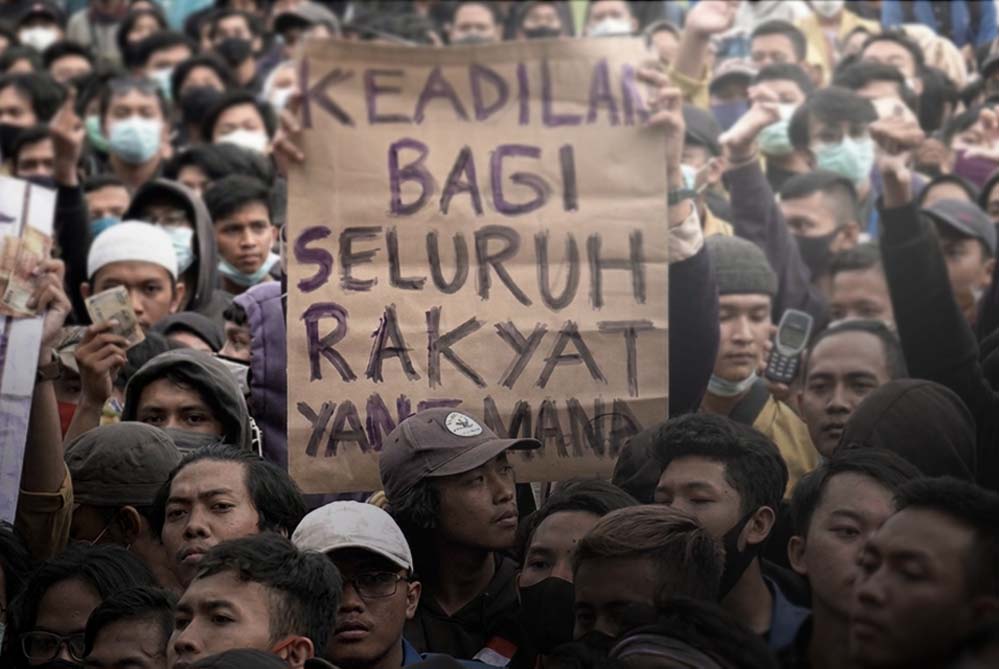
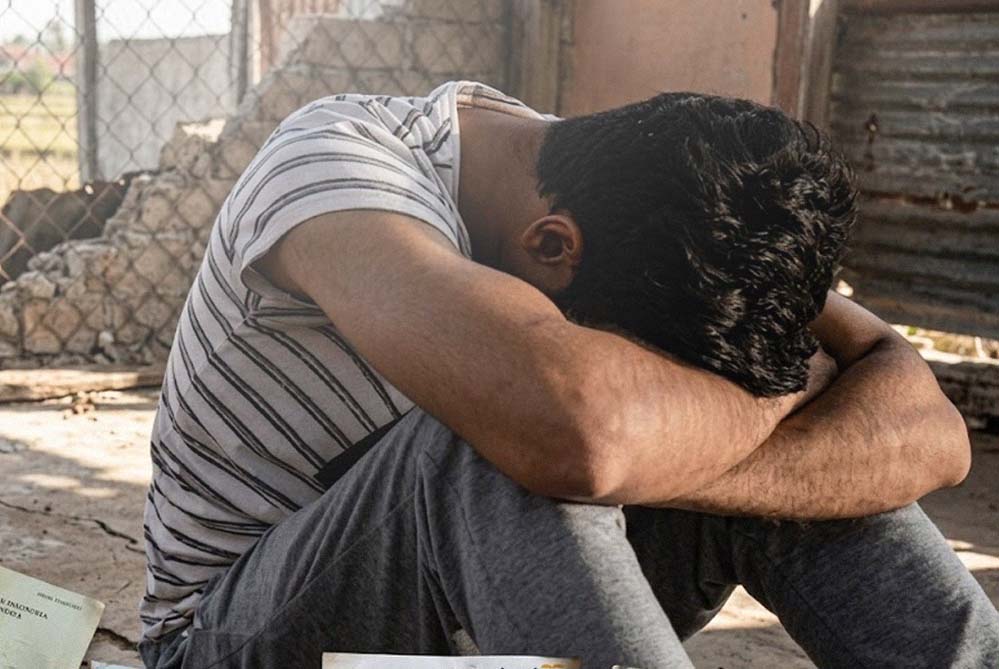
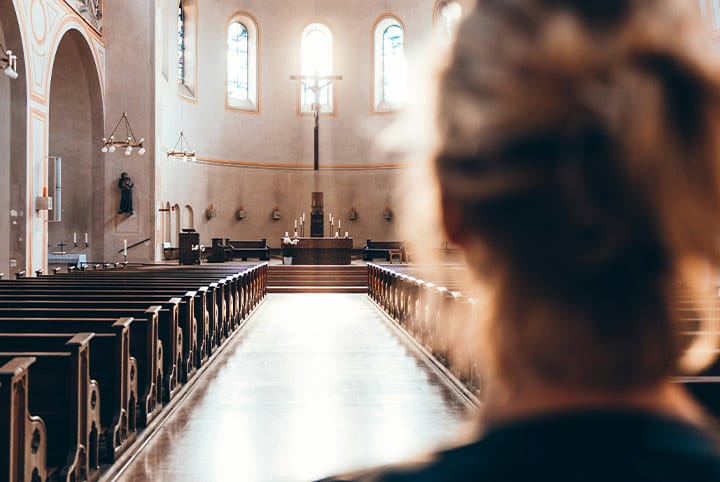
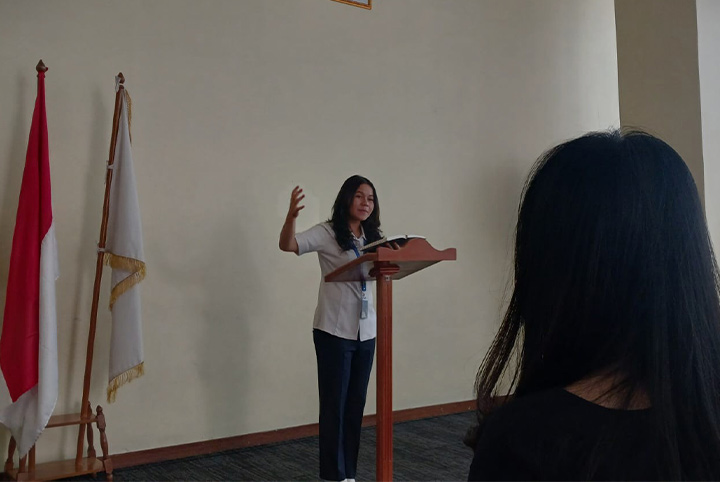
In modern life, many people outwardly appear to be doing well. They work, build their careers, maintain their social connections, and are active in the digital space. From the outside, their lives look stable, even successful. But underneath, there's an unexplained fatigue, a vague anxiety, and a sense that life is being lived more as a demand than a calling. Many people are not in a major crisis, but don't really feel fully alive either. They are somewhere between productivity and emptiness, between achievement and loss of meaning. In this state, people often live in survival mode, but slowly forget how to be grateful and celebrate life. They are trapped in a system that keeps demanding, without giving them the space to pause and ask: who is this life really resting on?"
This kind of experience makes it easy for humans to seek security in things that look strong: systems, achievements, power, or control over life. And in truth, such struggles are not unique to modern man. The nation of Judah in Isaiah's time lived in similar fear. Amidst the threat of the Assyrian empire, they were tempted to pin their hopes on political power and military security. But through the song in Isaiah 12:1-6, the people were invited to turn in the right direction. Salvation is no longer placed in the world powers that seem to promise security, but in God Himself. This message is at the same time a criticism of the human tendency to seek reassurance from temporal things. Isaiah reminds us that true security is not born from the ability to control life, but from the realisation that God remains present in the midst of uncertainty.
Friends of the Bible, salvation in this text is not just a personal experience, but something that shapes a way of life. When one truly realises God's providence, his life slowly turns into a song: not because life is always easy, but because he knows that he does not walk alone.