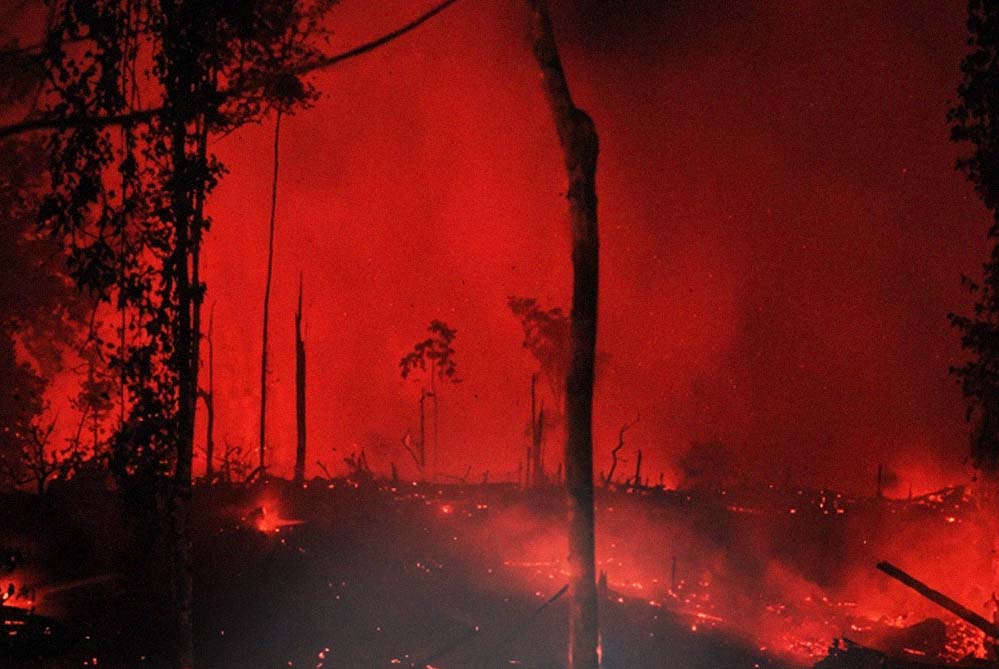
There is suffering so intense that it is hard for us to imagine how anyone could endure it. The Book of Lamentations describes the situation in Jerusalem when the city was besieged by the Babylonian army. Famine ravaged the city’s inhabitants to such an extent that verse 10 depicts mothers cooking their own children to eat. Ironically, the Hebrew text refers to them as compassionate women (rahamaniyyot). Those who would normally nurture and protect life found themselves in a horrific situation. This depiction is not intended to judge them, but rather to show just how devastating suffering can be when the most basic needs for survival are no longer met.
However, Lamentations does not merely give voice to the people’s anguish. The poet also condemns the prophets and priests who misled the people and shed the blood of the innocent. Those who ought to have guided and protected life were, in fact, contributing to the destruction of society. Hopes placed in other nations end in disappointment, whilst the king, described as the very breath of life for his people, is ultimately captured (vv. 17–20). This text reveals a bitter truth: when leaders fail to fulfil their responsibilities, it is the people who often bear the heaviest consequences. Power is not merely a position, but a responsibility to safeguard life.
Lamentations 4 reminds us that not all suffering can be avoided, but not all of it must be accepted as fate. Disasters may be unavoidable, but their impact can be exacerbated by negligence, misguided policies, or delayed assistance. Therefore, it is not enough for leaders merely to express sympathy and make promises. They must be willing to be held to account, acknowledge failures, and rectify situations that endanger the community. Allowing suffering that could actually be alleviated to continue is not merely a policy failure, but also a moral issue.
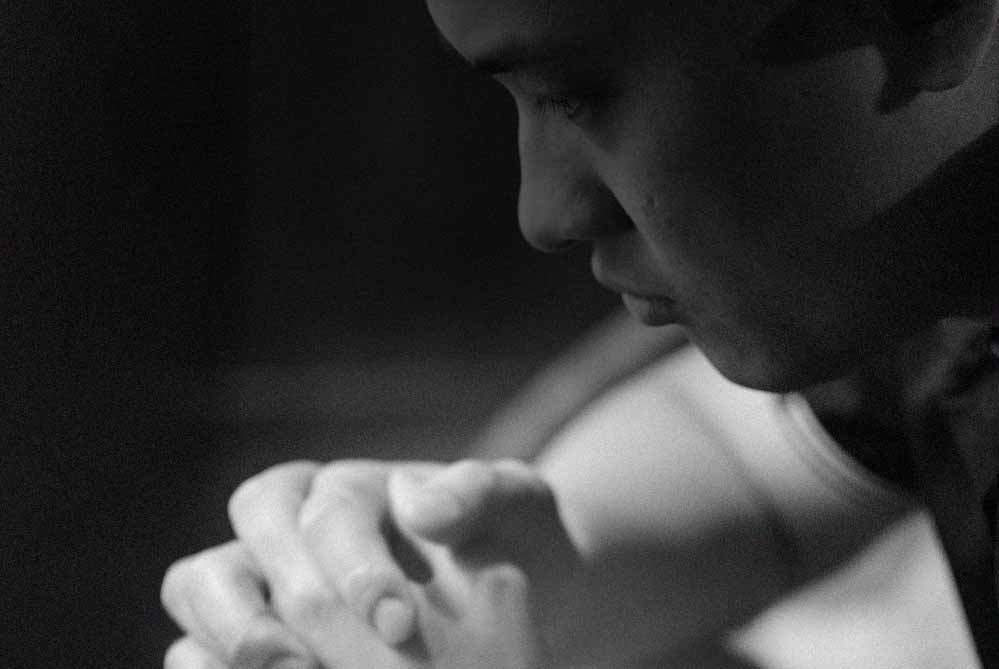
Dear Friends of the Bible, perhaps we have all felt weary when faced with circumstances beyond our control. We cannot always understand why suffering comes our way, and faith does not require us to pretend to be strong. There are times when we need to weep and accept help. However, when we see others suffering, let us not be too quick to dismiss it as an inescapable fate. Perhaps there is something we can do to lighten their burden or put an end to the injustice they are experiencing. We may not always be able to change the whole situation, but we can choose not to turn away. For faith not only gives us the strength to endure suffering, but also the courage to care for life and fight for more humane conditions.