For some people, having access to clean water or breathing fresh air may be something they rarely give a second thought to. For others, however, these basic needs are a daily struggle. In a number of regions across Indonesia, communities must contend with a shortage of clean water, environmental pollution and even haze caused by forest and land fires. Not to mention the cost of living, which continues to place a heavy burden on many families. This situation presents an irony: in a country blessed with such abundant natural resources, why are there still so many people who must struggle so hard simply to meet the most basic necessities of life?
A similar struggle is depicted in Lamentations 5. Following the destruction of Jerusalem by Babylon in the sixth century BC, the people of Judah lost their land, their homes and their means of livelihood. The poet gives voice to this situation through the lament: “We must pay for the water we drink; we must buy the wood we use.” (v. 4). Water and firewood are daily necessities, but now they must be obtained with great difficulty. This lament is not merely about the price to be paid, but also about the loss of access to the resources that sustain life. The following verse describes the pressure that continues to weigh upon them, leaving them no opportunity to rest. Life becomes a ceaseless struggle, even just to meet the most basic needs.
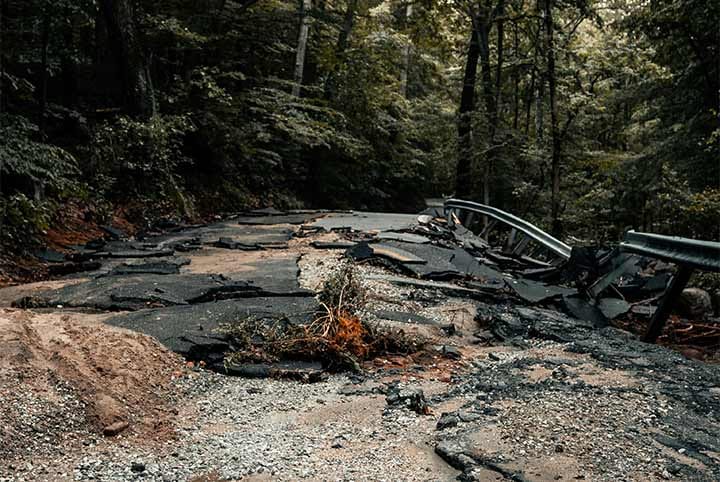
The experiences of the people of Judah remind us that life’s hardships are not always caused by a lack of personal effort. There are social circumstances that force some people to struggle harder to obtain things that others can enjoy with ease. When clean water is hard to come by, the air is polluted, or basic necessities become an ever-greater burden, we must ask whether development and resource management genuinely take people’s lives into account. Progress should not be measured solely by economic growth, but also by the extent to which people can live safely, healthily and with dignity.
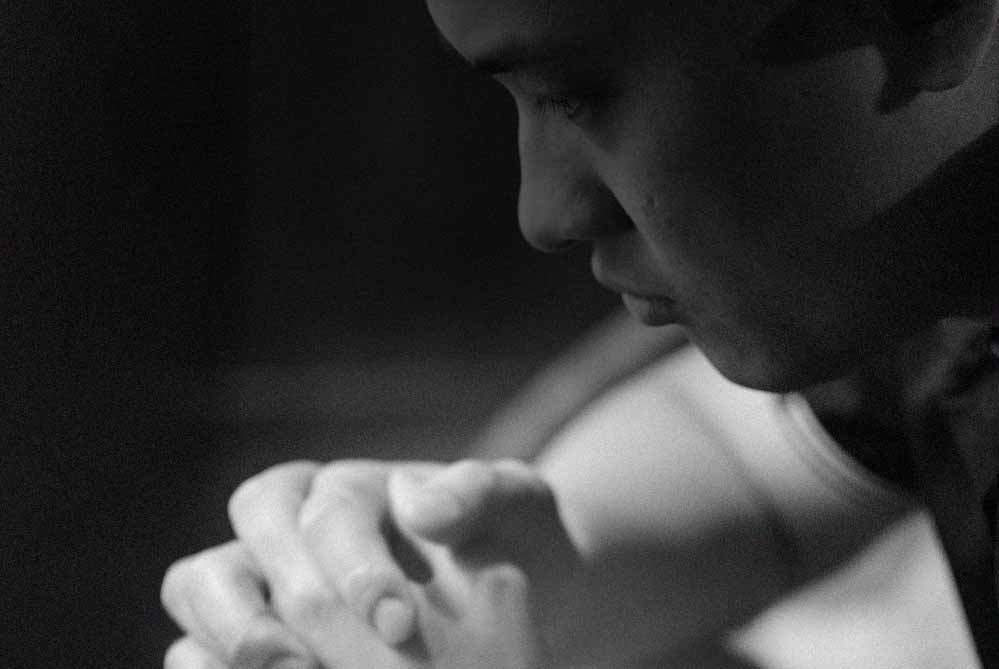
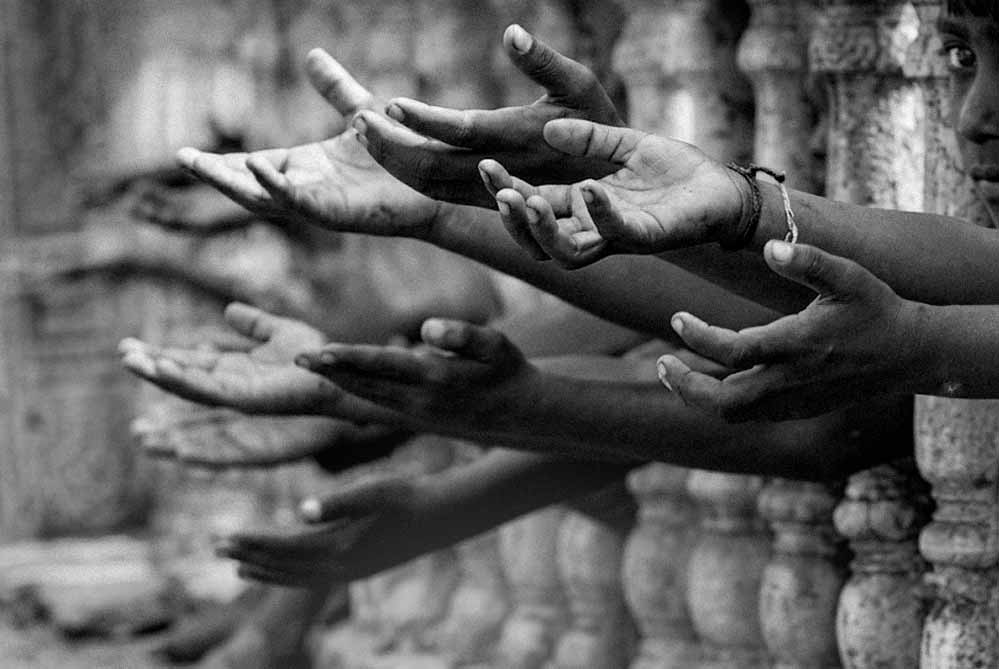
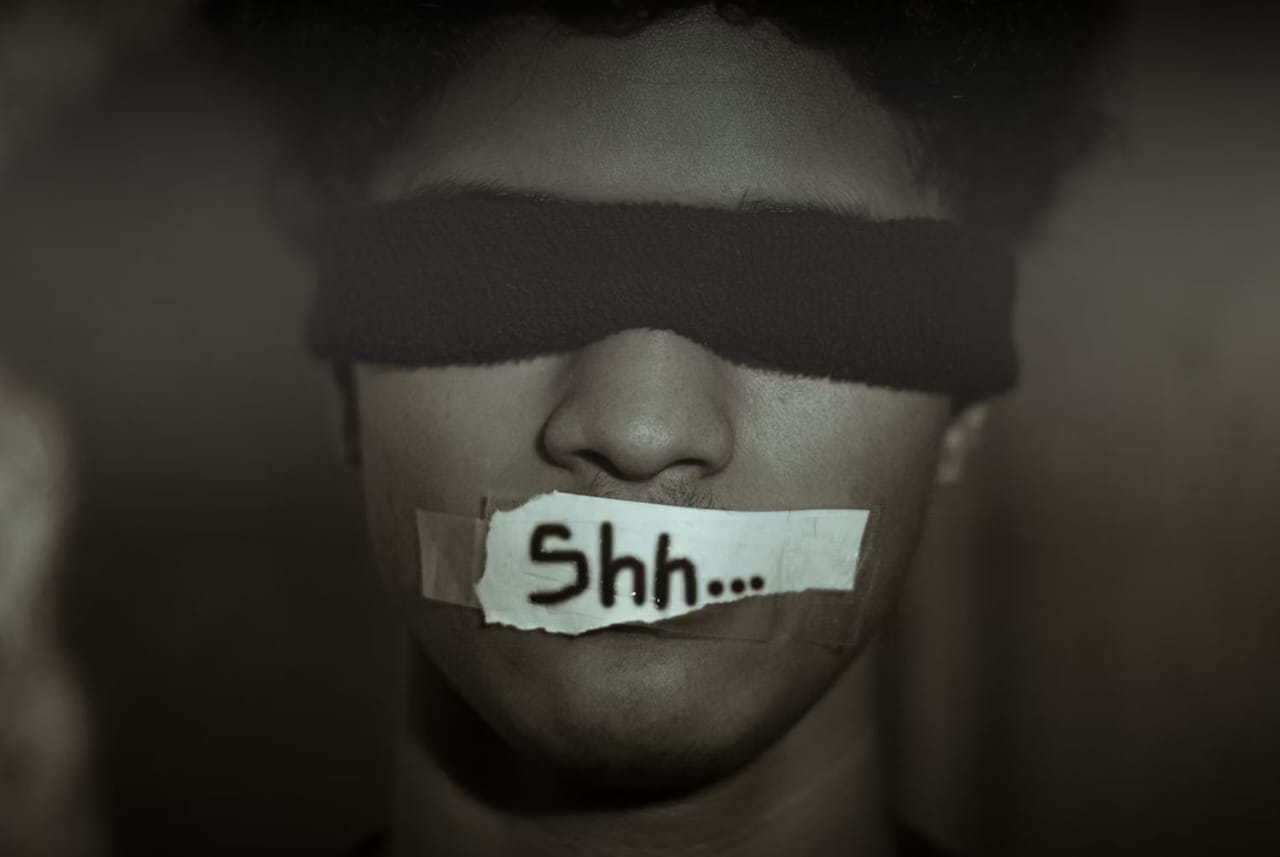
Dear Friends of the Bible, perhaps we too have felt weary in the face of life’s seemingly endless demands. Lamentations reminds us that our complaints and weariness have a place before God. The plea, “Remember, O Lord, what has happened to us” (v. 1), demonstrates the people’s courage in bringing their suffering before Him. We need not hide our struggles or pretend to be strong all the time. Yet, when we see others struggling to meet their basic needs, may we not turn away. Faith calls us to safeguard life, to care for the vulnerable, and to speak out against injustice. For clean water, fresh air and a decent life should not be luxuries reserved for the few, but rather part of a dignified existence that we must all strive for together.